
March 30, 2026
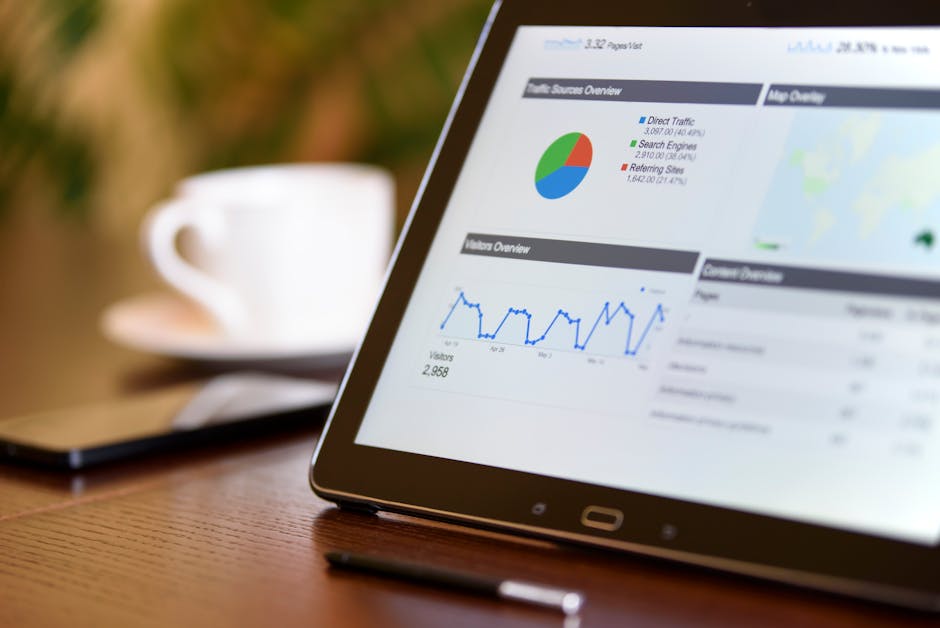
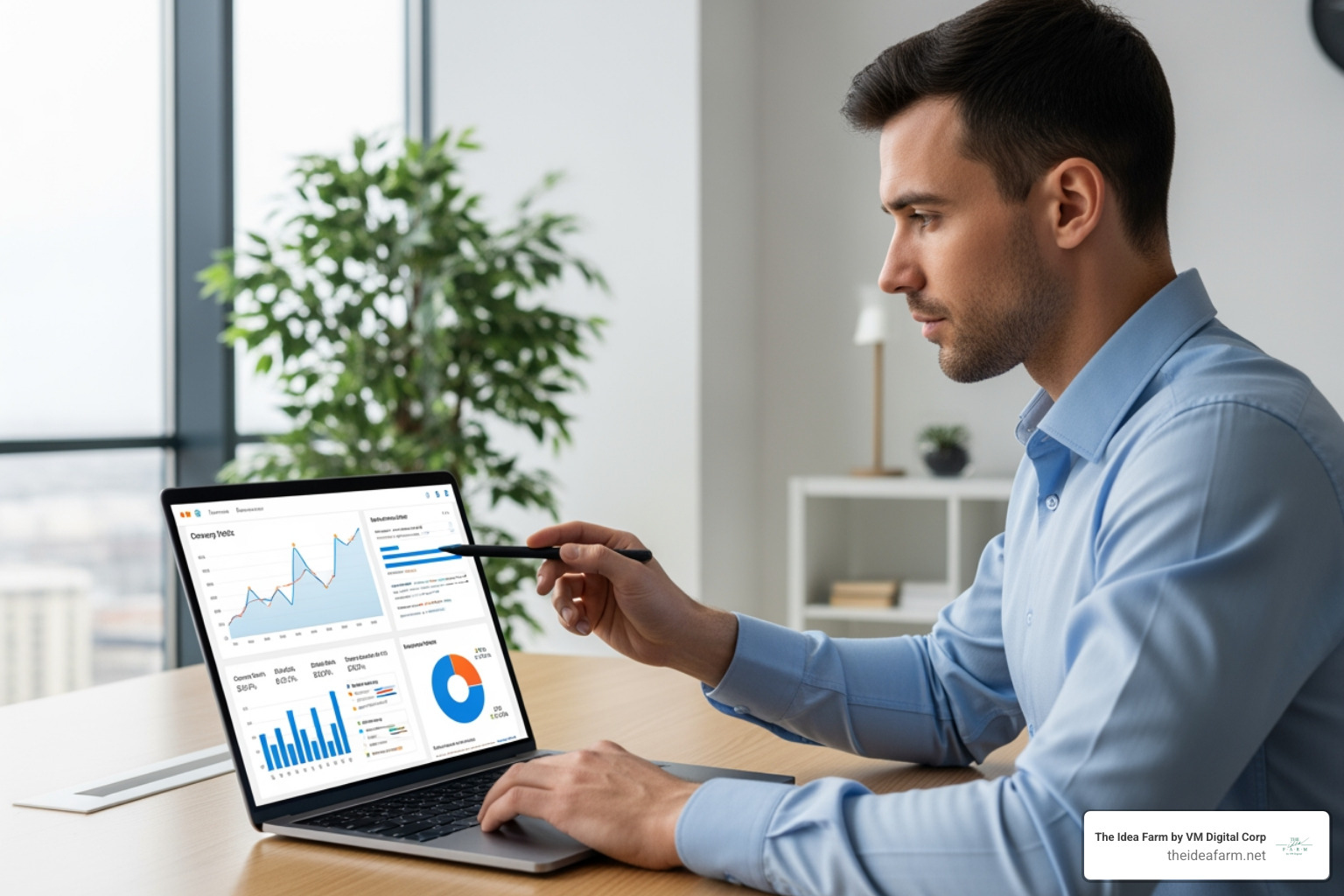
A growth dashboard is a tool. It shows you how your business is doing right now. It shows if you are growing or losing money.
Here is what it shows:
| What It Shows | Why It Matters |
|---|---|
| Where users come from | Stop wasting money on things that do not work |
| Money coming in | See if you are making more or less money |
| If users stay or leave | See when people leave so you can stop it |
| Turning leads into sales | Find where your plan is broken |
| What a user is worth | Know if you are making a profit |
Most bosses guess. They use old reports. They use many different tools. That costs too much money.
A growth dashboard puts all data in one place. It gives you a clear picture. You can act fast. You can stop wasting money. You can do more of what works.
It is not just a report. It is a way to make good choices.
I am Jose Escalera. I am the CEO of The Idea Farm by VM Digital. I help business owners build these systems. A growth dashboard is the main control room for your business.
Common growth dashboard words:
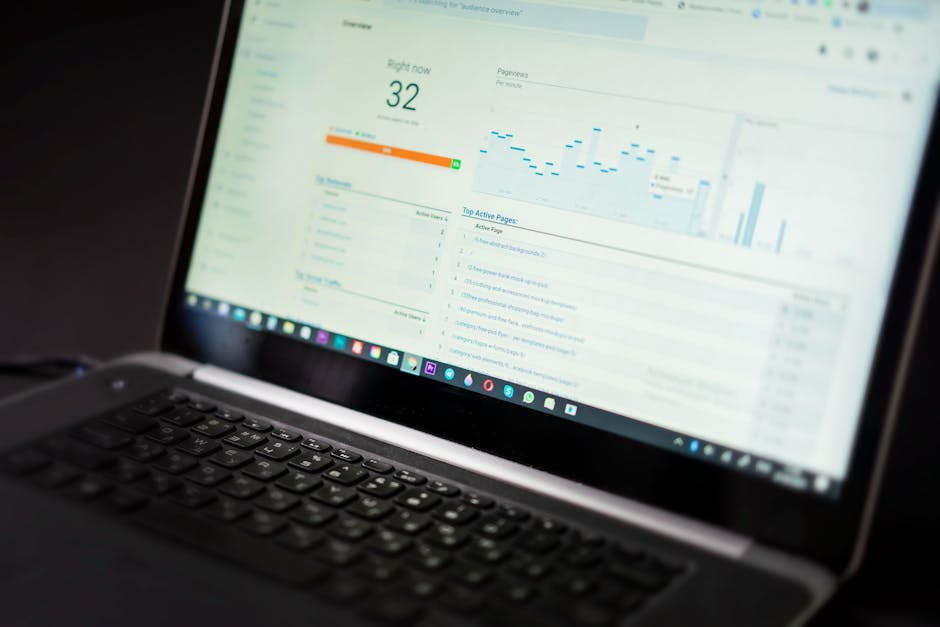
A growth dashboard is a screen that shows your data. It helps you see how your business is growing. Imagine driving a car with a dark window. You know you are moving. But you cannot see the road. A dashboard clears the glass.
Many businesses struggle because their data is in different places. Marketing looks at clicks. Sales looks at deals. Finance looks at the bank. No one sees the same thing. A growth dashboard puts it all together. It uses data from marketing, sales, and the product.
A growth dashboard is not a sales report. A sales report tells you what happened in the past. A growth dashboard tells you what is happening now. It also helps you see what might happen next.
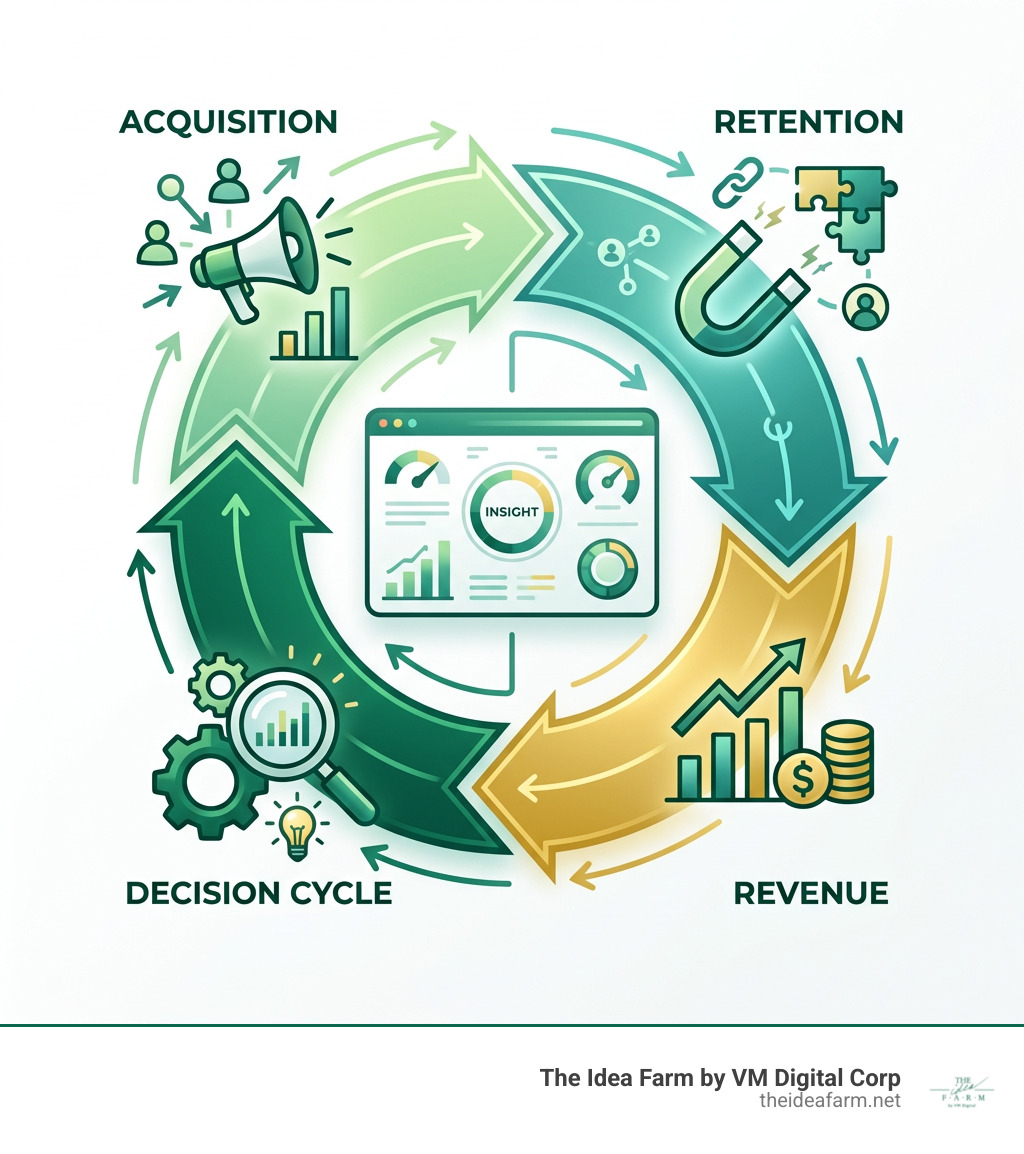
Most tools only look at one team. A growth dashboard looks at everything. It tracks the growth loop. This is how you get a user. It shows how they start using the tool. It shows why they stay. It shows how they pay. It helps us build marketing systems. We use facts to grow.
| Feature | Sales Dashboard | Growth Dashboard |
|---|---|---|
| Main Focus | Money and Goals | Growth and Systems |
| Data Sources | Sales tool only | Many tools |
| Time | Past work | Now and the future |
| Goal | Manage people | Make the business better |
You cannot track everything. If you watch too many things, you see nothing. Focus on the things that matter.
The best teams focus on these areas:
You can see how these look here: Growth Dashboard Template. It shows users and money in one spot.
The things you track change as you grow. A new shop might care about people using the tool for the first time. A big company might care more about people leaving.
For most businesses, these three are key:
See an example here: Software Growth Dashboard Example. It shows where users come from and if they stay.
Setting up a system is about more than software. You must first pick your goals. What does growth mean to you? Is it more users or more profit?
Next, connect your data. Link your website, your bank, and your sales tool. By using custom numbers, the dashboard will show what you need to see.
Not all growth looks the same. A local office has different goals than a software company.
A good growth dashboard helps everyone:
Building a dashboard is not hard. New tools make it easy to connect your data. You do not need to be a computer expert.
There are many good tools to use:
We suggest starting with strong website systems. This keeps your data clean.
The best part is connecting your tools.
The biggest problem is bad data. If one tool says you made $1,000 and the bank says $500, you have a problem.
The future of the growth dashboard is smart. Instead of you checking it, it will check on you. We are seeing more:
Data is like a garden. It needs work. Check your dashboard twice a year. Make sure your system is safe. Look for tools that keep customer info private.
Updating every day is best. This helps you catch problems fast. For example, you can see if your checkout page is broken. You should also do a big check once a month.
Keeping users. It does not matter how many new people join if they all leave. Fix the leaks first.
Yes! Tools like Grow and Klipfolio are for business leaders. They are easy to use. You can drag and drop things. They connect to things like digital ads.
A growth dashboard helps you know the facts. It turns messy numbers into a clear path. It helps you grow the right way.
At The Idea Farm, we act as a part-time growth helper. We do more than give you a tool. We help you build the plan to make your numbers go up. Growth is not magic. It is a system.
If you are ready to stop guessing, let us talk. We can build your control room.