
June 4, 2026
Marketing trend analysis means watching how people buy things over time. It helps you guess where your market is going before it gets there.
Here is what it tells you at a glance:
Most business bosses have plenty of data. But they do not know which way to go.
You have ads running and a hard-working team. But your business does not grow steadily. This happens because you are looking at the past. You need to look at the future.
That is the gap that trend analysis closes.
The numbers show this is true. In 2026, most marketers say their job has changed fast. Many buyers now use AI to find products. The market will not wait for you.
The brands that grow are the ones that see shifts early. They understand why they happen. They build systems to act with confidence.
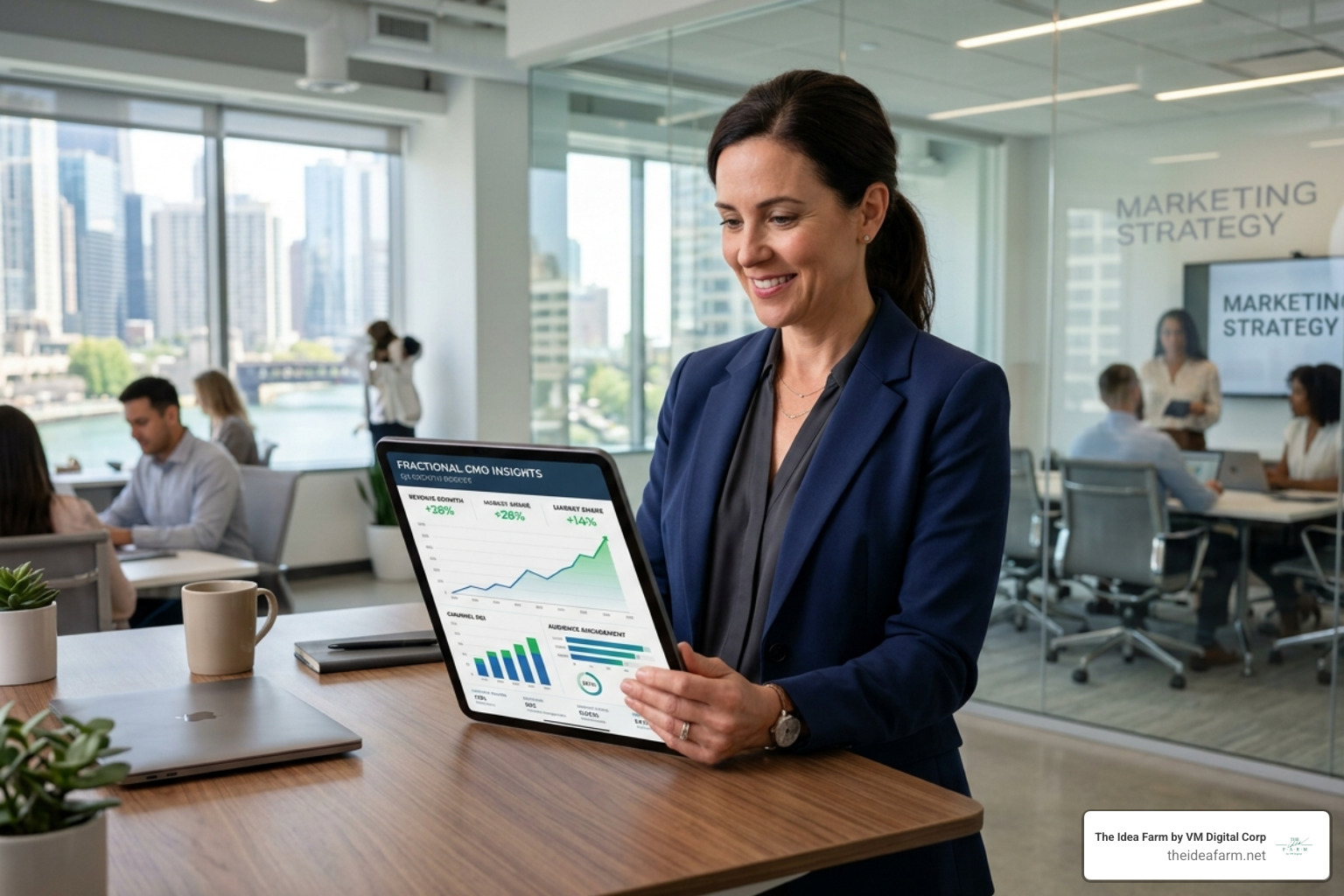
I am Jose Escalera, CEO of The Idea Farm by VM Digital. I help companies grow by reading market signals early. Trend analysis is not just homework to me. It is how I help leaders build smart systems. Let me show you how to do it.
In 2026, the way people buy things is totally different. A simple plan is not enough anymore. What people want can change in just one day because of a single online post.
Money is tight for many people now. Some buy cheaper brands to save money. Others spend money they do not have on small things that make them happy. You cannot guess what your buyers will do based on old rules.
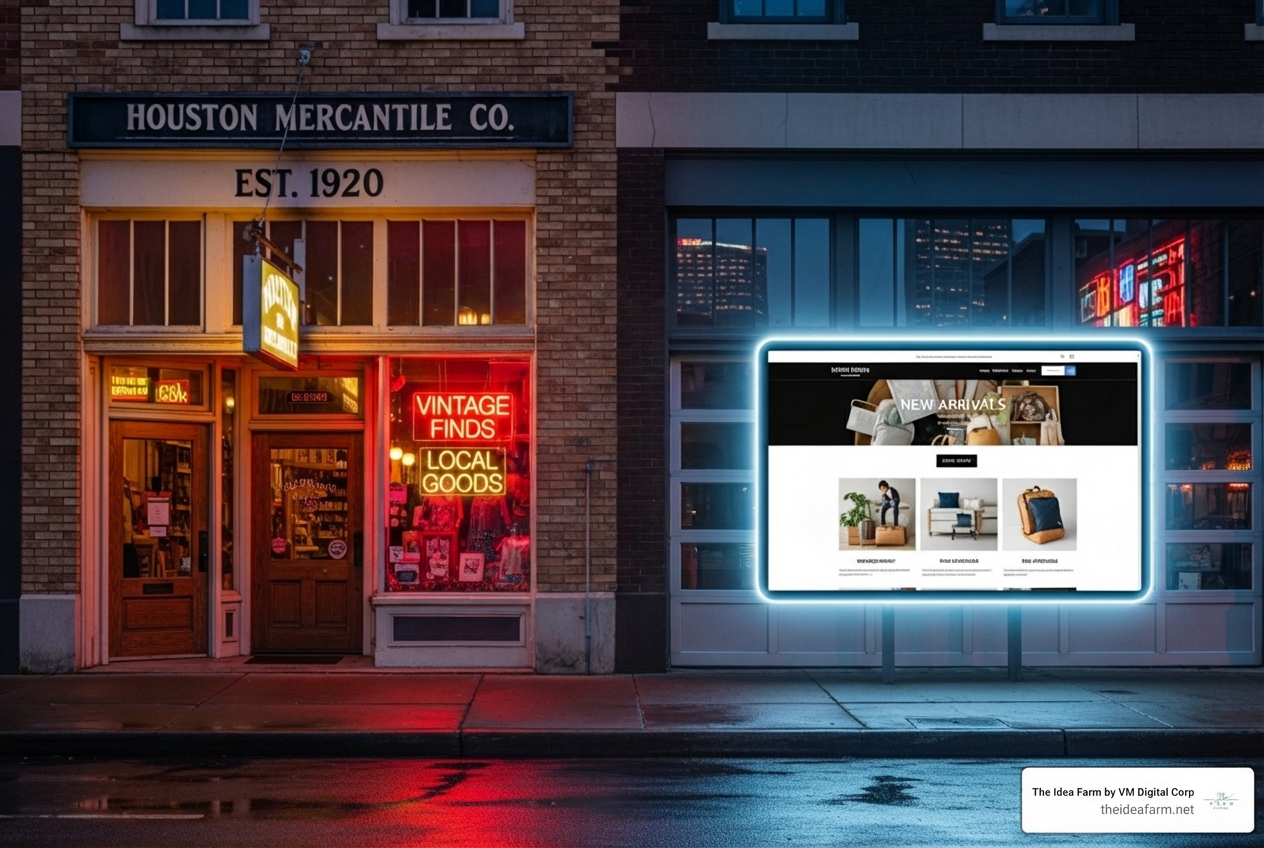
If you want your business in Houston, TX or Danville, KY to grow, you must watch these changes. You need to know how AI search works. A report by Kantar Marketing Trends 2026 says that brave brands make much more money. To be brave, you must track trends in a smart way.
Many business owners think market research and trend analysis are the same. They are actually very different.
Market research is like a photo. It shows you one moment in time. It tells you what happened last month.
Marketing trend analysis is like a movie. It shows you how things change over time. It tells you if a habit is growing or slowing down.
| Feature | Traditional Market Research | Marketing Trend Analysis |
|---|---|---|
| What it looks at | The past and right now | The future and patterns |
| Type of data | Quick photos (surveys) | Long movies (search history) |
| Goal | Test a single business idea | Find new chances and risks early |
| Speed | Slow and sometimes | Fast and always running |
Research helps you lower risk before you start. Trend analysis helps you beat your rivals and grow for a long time.
To build a good system, we must look at different trends. We cannot just look at social media. We must look at the big picture.
If you only look at trends when you feel like it, you will miss the best clues. You need a system. A good system helps you get clean facts and make smart choices.
A new report on the 2026 state of marketing: Data from 1,500+ global marketers says many marketers struggle to get good data. Only some have high-quality facts about their buyers. Bad data will lead you the wrong way. You must clean your data often.
Here are six steps to study trends like a pro:
AI makes reading trend data easy. We do not have to spend weeks looking at spreadsheets anymore.
We can use AI to read customer feedback in seconds. We can also use fake data made by AI. This fake data acts just like real human choices.
This helps when you do not have enough real data yet. This AI data is very accurate. It lets us test how buyers will react to new prices before we launch. You can learn more in our guide on Customer Data Driven Marketing.
Search is changing fast. People do not just type words and click links anymore. Now, they ask AI tools for answers. Half of all Google searches now show an AI summary.
Even bigger is AI buying. This is when people let AI tools shop for them. In 2026, many AI users let these tools help them buy things.
This means your website must be easy for AI to read. This is called Generative Engine Optimization, or GEO.
To win, your brand must build trust online. AI tools recommend brands they see in trusted places. If your business is listed in local guides in Houston, TX, the AI will suggest you. You must write helpful content that answers hard questions.
Old ads do not work well anymore. Personal messages are key. Most marketers say personal ads bring more sales. But very few brands use real-time data to send these messages.
This is a big chance for your business. You must group your buyers when you study trends.
Do not look at your buyers as one big group. Look at small groups of people who share a hobby. Many buyers trust these small groups. Brands that talk to them make more money.
To do this, you need your own data. You cannot use old web cookies anymore. You must talk to your buyers directly with surveys and emails to get good facts.
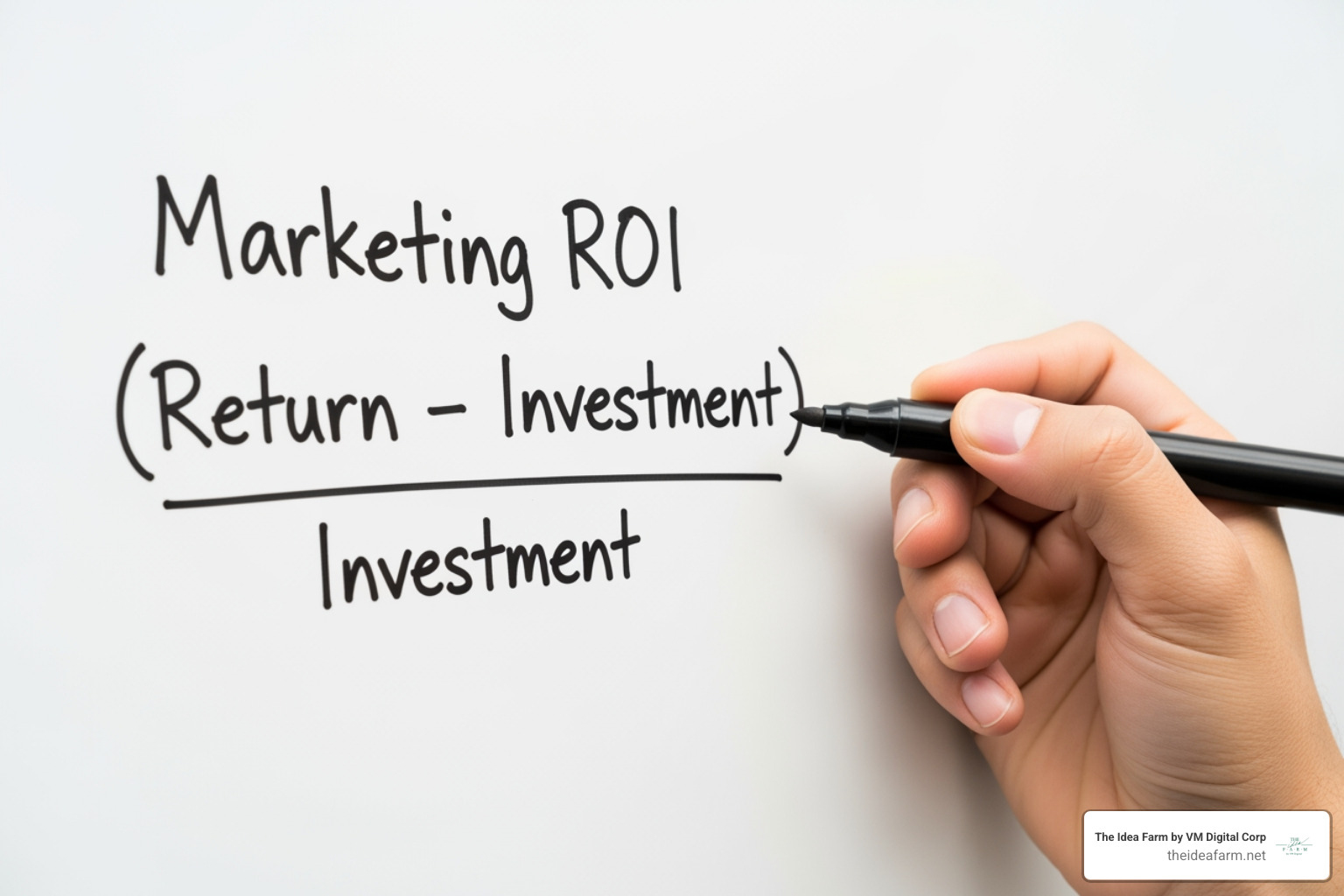
Trying new trends can feel risky. Your boss will want proof that your ads work. This is why you must measure your return on investment, or ROI.
To measure ROI, do not just look at likes. You must connect your ads directly to sales.
We suggest tracking the whole path a buyer takes. Buyers see your brand in many places before they buy. You need a system to track each step. Read more in our Marketing Performance Optimization guide.
Set clear goals before you start. Compare your new trend ads to your old ads. This shows you if the trend is helping. Learn more in our guide on how to Measure Marketing Effectiveness.
Tracking trends is good, but it has some hard parts:
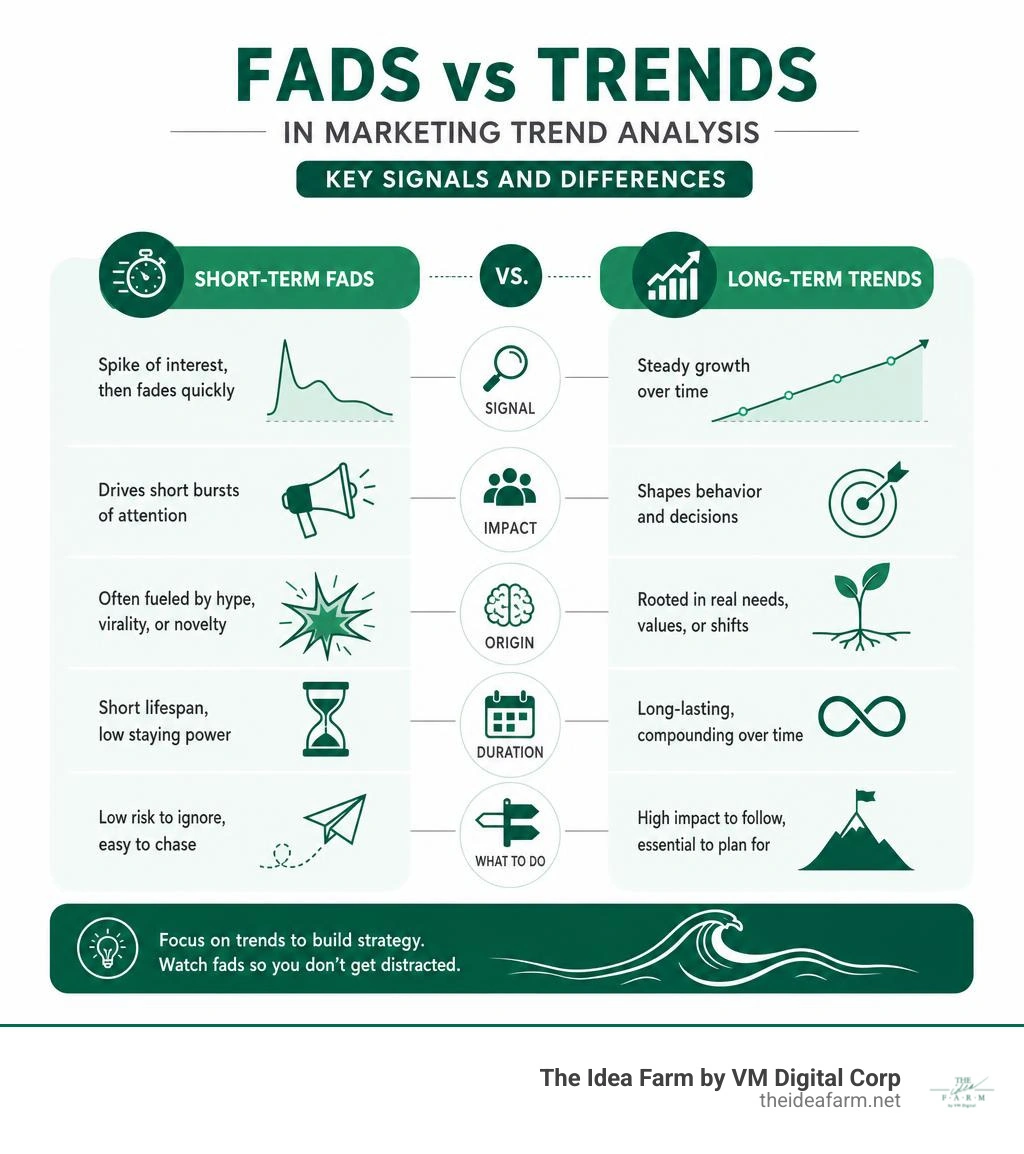
A fad is a quick spike in interest that goes away fast. It does not change how people live. A trend is a slow, steady growth. It changes how people buy things for a long time.
You should look at short-term trends every month. For big plans, do a deep study every three months. This helps you adjust your budget to stay ahead.
AI tools change how people shop. Instead of looking at many websites, buyers ask their AI tool to find the best item. The tool finds it, suggests it, and can even buy it. This skips old marketing steps completely.
Marketing is moving faster than ever. From AI search to small online groups, the brands that win are the ones that adapt fast.
But you cannot do this with messy tools or guesses. You need a smart system built around your goals and numbers.
At The Idea Farm, we are your growth partner. We do not just give you a list of trends. We build the systems you need to grow. Whether you are in Houston, TX, or Danville, KY, we help you take control.
Ready to build a system that stays ahead? More info about fractional CMO services is on our site. Let's build something that grows.