
June 30, 2026
How much does digital marketing cost? This is the first question business owners ask. It is also the last thing most agencies explain clearly.
Here is a fast answer if that is all you need:
Note: Ad spend is always separate from management fees.
Most small and mid-sized businesses spend between $1,500 and $10,000 per month on digital marketing in 2026. The right amount depends on your sales, your goals, and what tools you need.
But here is the real problem. Two businesses can spend the exact same money and get different results. One business builds a system that grows over time. The other business wastes its budget and gets nothing.
The difference is not the size of the budget. The difference is having a clear plan.
I am Jose Escalera, CEO of The Idea Farm by VM Digital. I have built companies in many different industries. Now, I lead a marketing agency. I have been on both sides of this deal. I know how much digital marketing should cost. I also know if it actually helps you grow. In this guide, I will show you what you should pay. I will show you what works. I will also help you see if your current spend is helping you or hurting you.
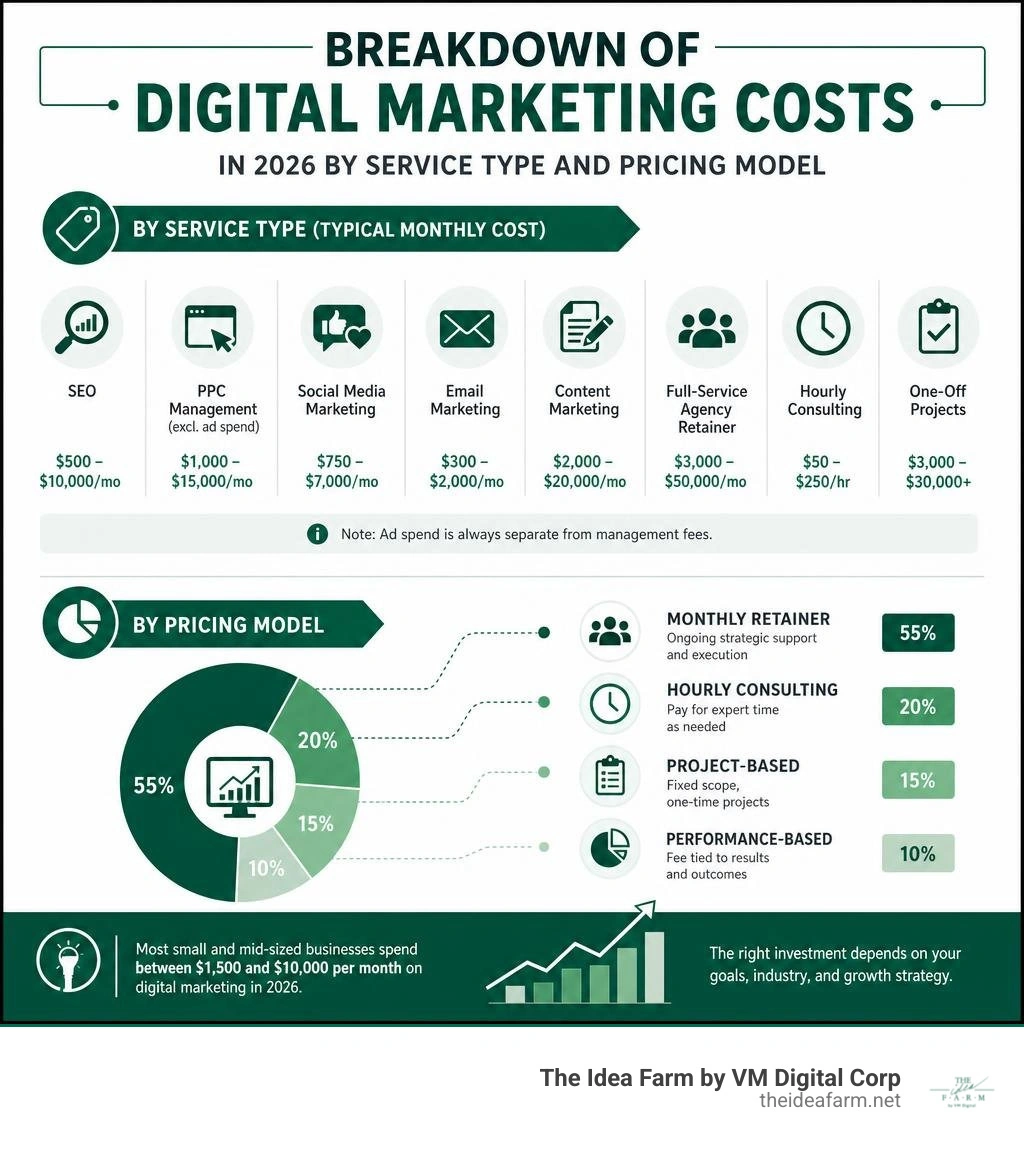
Cost of digital marketing terminology:
When you look at the cost of digital marketing, you will see many different prices. Some people online offer full services for $500 a month. Big global agencies charge $50,000 a month for huge brands.
Data from Clutch shows that big companies usually pay between $5,000 and $50,000 per month. But for most small and medium businesses, the real cost is $1,500 to $10,000 per month.
To understand these numbers, you need to know how agencies charge. They do not just charge different amounts. They also use different payment plans.
To learn more about how these plans fit your business goals, check out the Digital Marketing Cost Guide 2026: Budgets & Pricing.
The monthly retainer is the most common plan. About 62% of agencies use it. Retainers work well because marketing is not a one-time job. It is an ongoing process. With a retainer, you pay a flat fee every month. In return, the agency runs your ads, updates your SEO, and tracks your progress.
Hourly consulting is best for short-term needs. If you need an expert to look at your data or help you make a quick plan, you might pay by the hour. These rates are usually $50 to $250 per hour.
Project fees are flat rates for specific tasks. For example, building a new website or doing a deep SEO audit usually has a project price. This model keeps your costs easy to predict. You know exactly what you will pay before the work starts.
Performance-based pricing is growing. It is now used in about 18% of agency contracts. In this model, you pay the agency based on the leads or sales they get for you. This sounds great, but it requires very clear tracking. If your software is not set up perfectly, it can cause arguments about where the leads came from.
To find your true marketing costs, you must look past the agency fee. You have to look at your business math.
We teach our clients to work backward from their sales goals. If you want to make $100,000 in new sales this year, you need to know your Customer Lifetime Value (CLV). If your average customer is worth $5,000, you need 20 new customers.
Next, look at your sales funnel. If your sales team closes 10% of their leads, you need 200 leads. If your website turns 2% of its visitors into leads, you need 10,000 website visitors.
Once you have these numbers, you can find what you can afford to spend to get a customer. This is your target Cost Per Acquisition (CPA). If you can spend $500 to get a $5,000 customer, your math works. Your marketing budget should be built around hitting that $500 CPA. Do not just pick a random monthly fee. You can read more about setting up these frameworks in our Digital Marketing Service Guide 2026.

Marketing is not just one tool. It is a system of connected parts. Spending too much on one channel while ignoring the others is like buying a fast car engine but forgetting the wheels.
Let us look at what individual marketing services cost in 2026.
Search Engine Optimization (SEO) helps your website show up when people search for your products. It is a long-term plan.
Average monthly SEO fees range from $1,500 to $10,000 per month. If you are a local business in Danville, Kentucky, you might pay a lower price. If you are a national brand competing for big keywords, you will pay much more.
A good SEO plan includes technical fixes, page updates, and content creation. Content marketing itself usually costs between $2,000 and $20,000 per month. This includes writing articles, making videos, and creating guides that answer customer questions.
Link building is another key part of SEO. Good link building can cost over $10,000 per month. This is because it takes a lot of work to get other websites to link to yours. While SEO is slow, its results grow over time. A single good article can bring in leads for years.
Pay-Per-Click (PPC) ads are the fastest way to get traffic to your website. You bid on keywords, and your ads show up at the top of Google or social media.
PPC costs are split into two parts:
Most agencies charge a fee of 10% to 20% of your total ad spend. They often have a minimum fee of $1,000 to $3,000 per month.
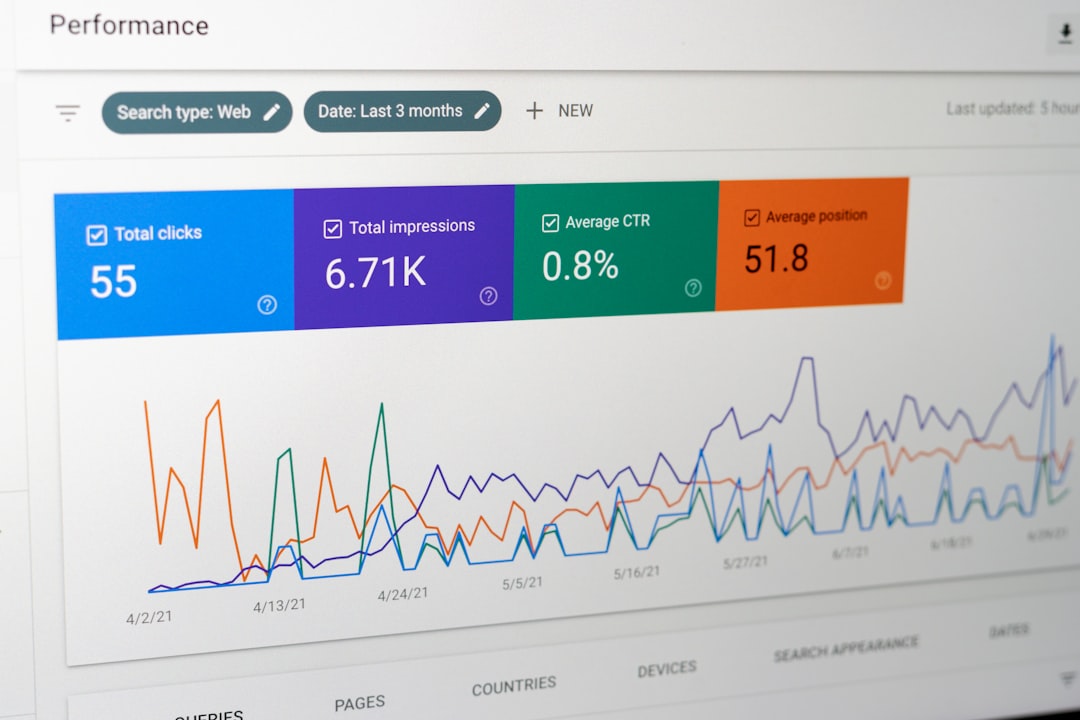
PPC is easy to measure. You can see exactly how many clicks, leads, and sales your ads get. But if you stop paying for ads, your traffic stops right away. This is why we suggest balancing paid ads with organic SEO. You can learn how to set up these paid campaigns in our Digital Ads Guide 2026.
Social media marketing can be free or paid. Free social media means making posts, replying to comments, and building an audience. This usually costs $750 to $7,000 per month. Paid social media means running targeted ads on Facebook, Instagram, or LinkedIn. LinkedIn costs the most per click, but it often brings in the best business leads.
Email marketing is one of the cheapest and best tools you can use. On average, email marketing makes $36 to $42 for every $1 you spend. It works well because you own your email list. You do not have to pay an ad platform to reach your subscribers.
Email marketing services cost $300 to $2,000 per month. This covers writing newsletters, building automatic welcome emails, and sorting your list so people get messages they care about.
Marketing costs are not set in stone. Many things can make your price go up or down.
Your company size and industry play a big role in what you pay. If you are a local business in Danville, Kentucky, your audience is small. You are only competing against a few local shops. Your marketing costs will be lower.
If you are a business in Houston, Texas, you are in a huge market with lots of competition. To stand out in search results or win ad spots in Houston, you must spend more. The cost per click for legal or medical services in a big city can be ten times higher than in a small town.
You can find local pricing data in our Digital Marketing Services Houston guide.
Artificial Intelligence (AI) has changed agency pricing. Today, 63% of marketing agencies offer AI services. This is up from 28% in 2024.
AI tools make writing content and analyzing data much faster. On average, agencies using AI save 35% on content creation. They also save 30% on email tasks.
But this does not mean good marketing is free now. AI can write a quick draft or read a spreadsheet in seconds. But it still needs human help. An experienced expert must guide the tools. They must check the facts and make sure the message fits your brand. The cost of making basic content has gone down. But the value of smart strategy and human touch has gone up.

Many business owners wonder if they should build their own team or hire an agency. Both choices have real costs and benefits.
To build a basic marketing team in your office, you need at least three people. You need a planner, a writer, and a tech expert.
In 2026, a single mid-level marketer makes $55,000 to $85,000 per year. When you add taxes, benefits, and software, one worker can cost your business $100,000 a year. To get a full team, you will spend $250,000 or more each year.
An agency fee of $3,000 to $5,000 per month adds up to $36,000 to $60,000 per year. For this price, you do not just get one person. You get a whole team of experts. This includes writers, SEO pros, designers, and ad managers.
An in-office worker knows your business very well. They work on your brand 40 hours a week. They can talk to your sales team or take photos of a new product right away.
But single workers often do not know how to do everything. A great writer might be bad at technical SEO. A great ad manager might not know how to build a website. If your only marketer gets stuck or goes on vacation, your marketing stops.
An agency can start working right away. They already have the software, the templates, and the experience from working with other brands. If you want to grow fast, an agency can do in days what might take an in-office worker weeks to build. To see how businesses make this choice, read our Digital Marketing Agency Houston Guide.
A budget is not just about how much you spend. It is about where you put your money to get the best results.
An easy way to set your budget is to use a percentage of your total sales. The U.S. Small Business Administration (SBA) says businesses making under $5 million a year should spend 7% to 8% of their sales on marketing.
If you are a fast-growing startup, you might need to spend 12% to 20% of your sales to win new customers. If you are an established business looking to stay steady, you might spend 4% to 6%.
We tell our clients to use a 70/20/10 budget plan:
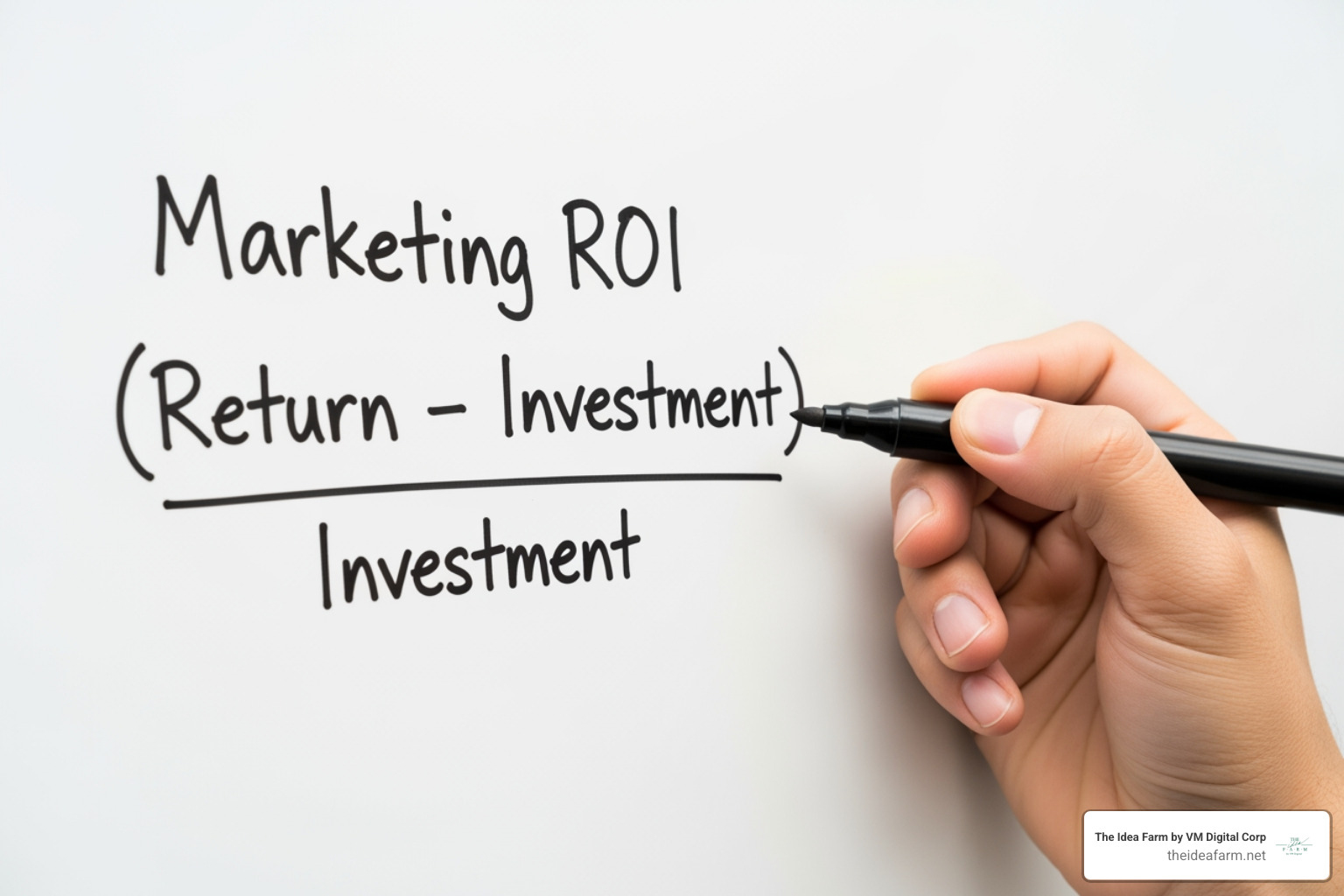
This plan keeps your sales steady while letting you try new things. You can read more about tracking these results in our guide on how to Improve Marketing ROI.
The old saying is true. If it sounds too good to be true, it probably is. Cheap marketing packages are often the most expensive mistakes you can make.
If an agency offers a full SEO and social media plan for $300 a month, ask how they make money. At that price, they can only spend two or three hours a month on your business.
To make a profit, cheap agencies use robots, basic templates, and low-paid workers. Sometimes, cheap SEO companies use bad tricks. They might buy spam links or copy text from other sites. This can get your website banned by Google. Fixing this can take months and cost thousands of dollars.
When you look at a price quote, look for honesty. A good partner will show you exactly where your money goes. They will separate their fees from your ad spend. They will also give you clear reports. You can learn more about checking your data in our Marketing ROI Calculation resource and our Data Driven Marketing ROI Guide 2026.
Here are the most common questions we hear from business owners when they plan their budgets.
For most small businesses, a good starting budget is $1,500 to $5,000 per month. If you are just starting out, do not try to do everything. Pick one or two channels. Spend enough money on them, and track the results before you try more. For example, a local shop should start with Local SEO and Google Ads. An online store should focus on social media ads and email marketing.
No. Agency fees and ad spend are almost always separate. Your ad spend goes directly to sites like Google or Meta to pay for your ads. The agency fee pays for the team's time, tools, and skills to run your ads. Always make sure your contract shows exactly how much goes to ads and how much goes to the agency.
It depends on the channel. Paid ads (PPC) can show results in just a few days because your ads go live right away. But you will need a few weeks of data to make the ads work their best.
Organic plans like SEO and content marketing are long-term investments. They usually take four to six months to show good search rankings and traffic. The benefit is that organic traffic is free once you rank. This means your cost per lead will go down over time.
At the end of the day, marketing is not just a cost to cut. It is an investment that should bring you new customers.
If your current marketing feels like a black box where money goes in and nothing comes out, it is time to change. You do not need cheap packages or random tricks. You need a smart, data-driven system built around your business goals.
At The Idea Farm by VM Digital Corp, we do not act like a basic agency. We work as your growth partner. We build marketing systems that connect your spend with real sales. This helps your business grow in a steady way.
If you are ready to get clear on your marketing numbers and build a system that actually works, let us talk. Visit https://www.theideafarm.net/digital-ads to learn how we can help you grow.